
A recent decision handed down from the U.S. Court of Appeals for the First Circuit highlights how the changing landscape of criminal law can have serious immigration consequences. The Court heard arguments in the case of Dor v. Bondi, a case involving Jonalson Dor, is a Haitian native who had lawful permanent resident status in the United States. In 2018, he pled guilty in Massachusetts to possession of marijuana with intent to distribute. Years later, that conviction became the basis for the Department of Homeland Security to begin removal proceedings against him.
At the heart of the case was a technical but important question: when an immigration court decides whether a state drug conviction qualifies someone for removal, should it apply the definition of a “controlled substance” that was in force at the time of conviction, or the definition currently on the books when the removal case is being decided?
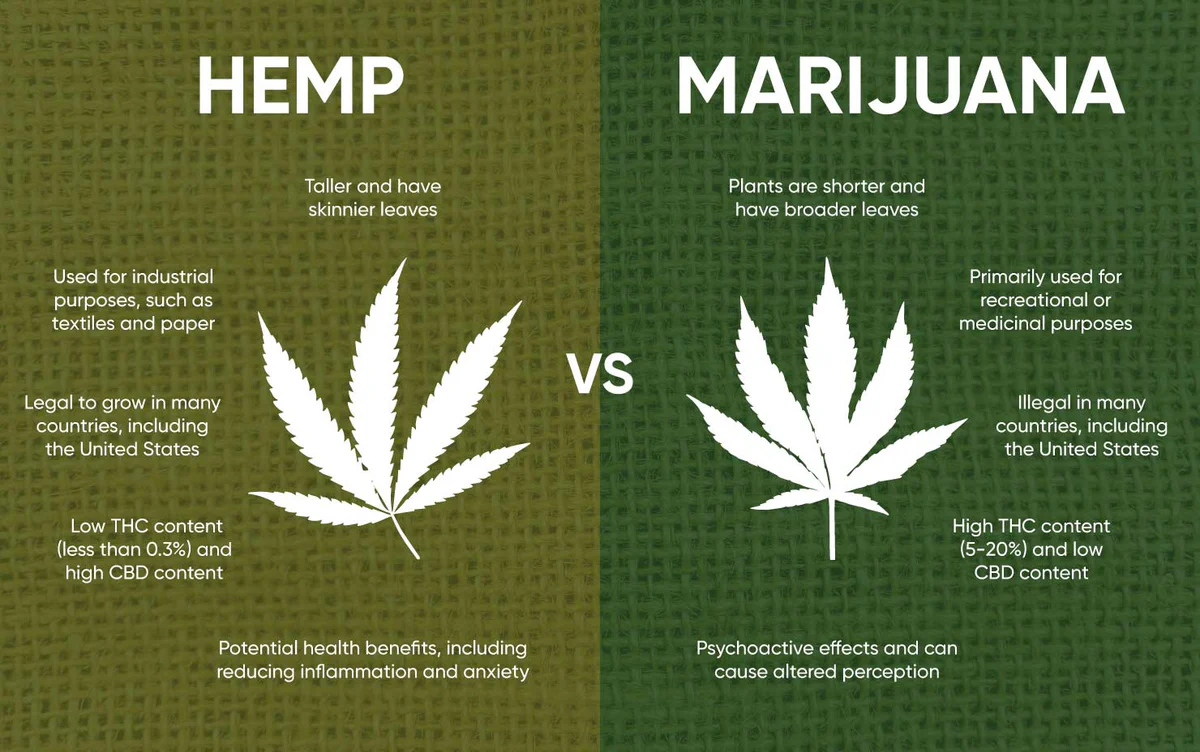
This matters because the federal Controlled Substances Act was amended in 2018 to exclude certain forms of hemp from the definition of marijuana. Dor argued that the newer definition should apply, so his conviction wouldn’t count as a removable offense, since the Mssachusetts conviction could have been for hemp and not marijuana. The First Circuit rejected that argument. The Court explained that an immigration judge should use the version of the federal drug schedule that existed when the person was convicted, not a later version passed years afterward. Applying that rule, the panel agreed with the Board of Immigration Appeals and denied Dor’s petition for review of the removal order.
The case serves as a reminder that even nonviolent state convictions can trigger serious federal consequences, and that small changes in timing can make a big difference in immigration cases.


