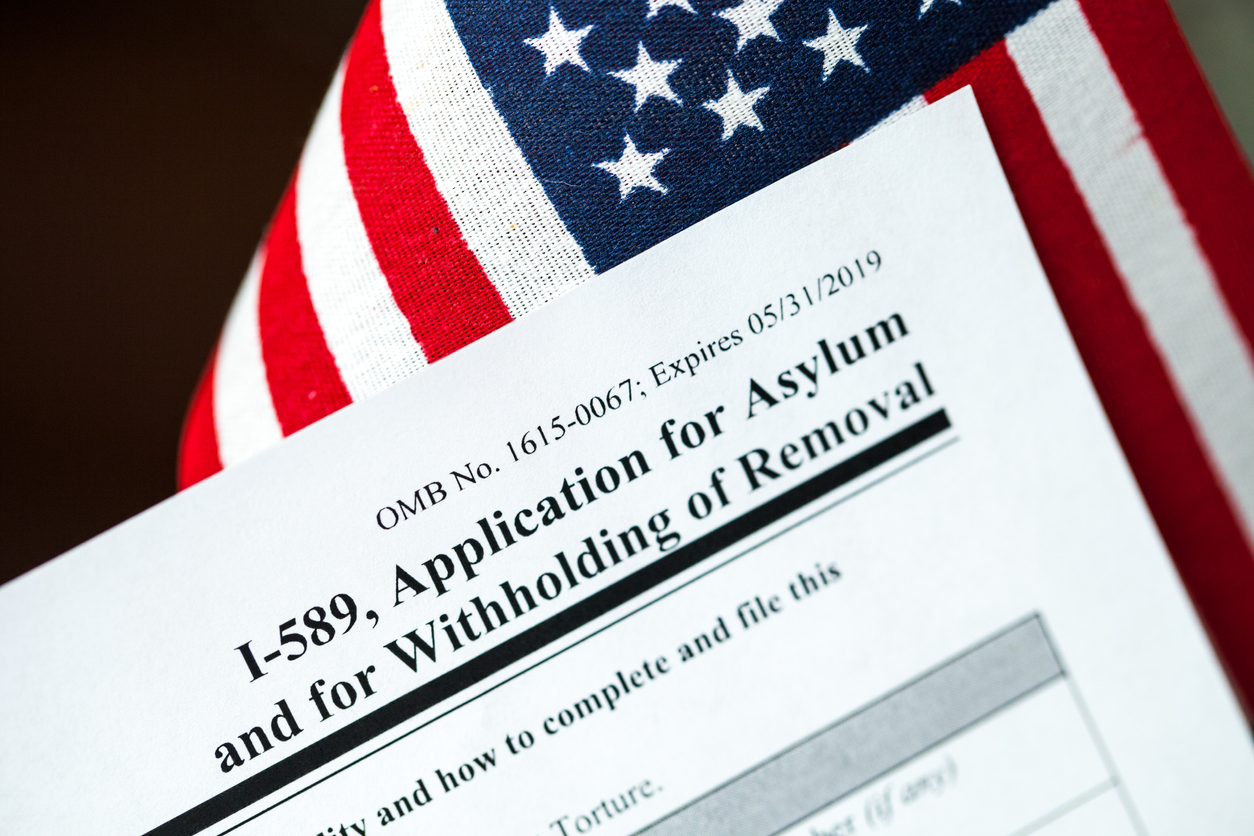
A recent case involving two noncitizen petitioners from Nepal found its way to the 1st Circuit. In Khanal v. Bondi, No. 14-1572 (1st Cir. 2026), the petitioner husband and his derivative wife applied to USCIS for political asylum, withholding of removal, and protection under the Convention Against Torture based on threats and extortion made against the husband for his political activism and work for an NGO. After their asylum petition was denied, the couple was allowed a “second bite at the apple” when their case was referred to the Boston Immigration Court. There, they testified to the persecution they suffered and presented evidence, including letters, news articles, and country conditions.
The Immigration Judge found the lead petitioner’s testimony not credible, based on inconsistencies in their testimony and other evidence. The judge concluded this adverse credibility finding was “fatal” to the asylum claim and simultaneously denied withholding of removal and CAT relief. On appeal, the Board of Immigration Appeals affirmed the Immigration Judge’s decision. The petitioners then appealed that denial and sought review in the United States Court of Appeals for the First Circuit.
There, the First Circuit held that the agency erred by failing to consider documentary evidence and additional witness testimony independent of the lead petitioner’s testimony, and by applying the wrong legal standard to the withholding of removal claim. The court vacated the Board’s order and remanded for further review.
The outcome of the holding is significant. It requires immigration judges to consider the extrinsic evidence presented in support of asylum claims and past persecution. The court held that the agency cannot rely on credibility concerns alone while ignoring corroborating evidence in the record. Even where testimony is found not credible, the IJ and BIA must evaluate whether independent evidence (news articles, letters from witnesses, and country conditions) supports the claim.
This is key for political asylum cases, which often rely heavily on affidavits and the applicant’s testimony at the Individual Hearing. Asylees are often asked to recall details from decades before and may unintentionally contradict themselves on minor factual details. Minor inconsistencies alone, the 1st Circuit says, are not necessarily fatal where other evidence supports the claim. Thus, an applicant’s testimony is not the sole factor to be considered when evaluating the validity of their claim.